
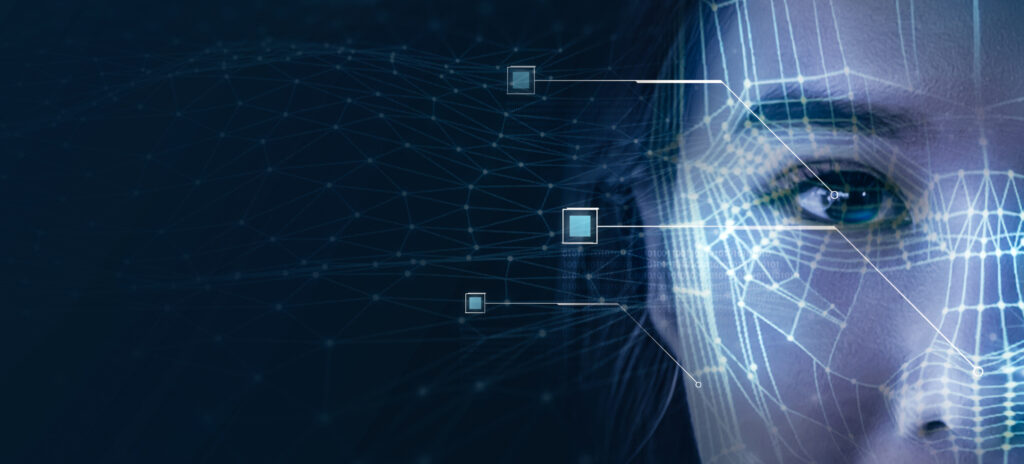
Face recognition answers the question is this the right person? Liveness detection answers an equally important one: is this a real, live person — or a photo of them? For attendance, the second question matters just as much as the first.
The spoofing problem
Without liveness checks, a face-recognition system could in theory be fooled by holding up a printed photo, a phone screen, or a video of a colleague. In an attendance context that would simply reinvent buddy punching in digital form. Liveness detection exists to make sure the face in front of the camera is genuinely present.
How it works
Liveness detection looks for the signs that distinguish a living face from a flat image or replay. Approaches fall into two broad groups:
- Passive: analyses a single capture for depth, texture and micro-cues with no action required from the user — fast and frictionless
- Active: asks the user to blink, turn or move, confirming a live subject
Passive liveness keeps clock-in to about a second while still blocking photo and screen attacks.
Why it is non-negotiable for attendance
The entire value of biometric attendance is that the record reflects who was actually there. A face system without liveness has a loophole big enough to drive the old fraud straight back through. With liveness, the clock-in is anchored to a present human being.
NCheck and liveness
NCheck builds on Neurotechnology’s long history in biometric algorithms and includes liveness detection so that face clock-in is resistant to spoofing across phones, tablets and terminals. It is the quiet feature that makes everything else trustworthy.