
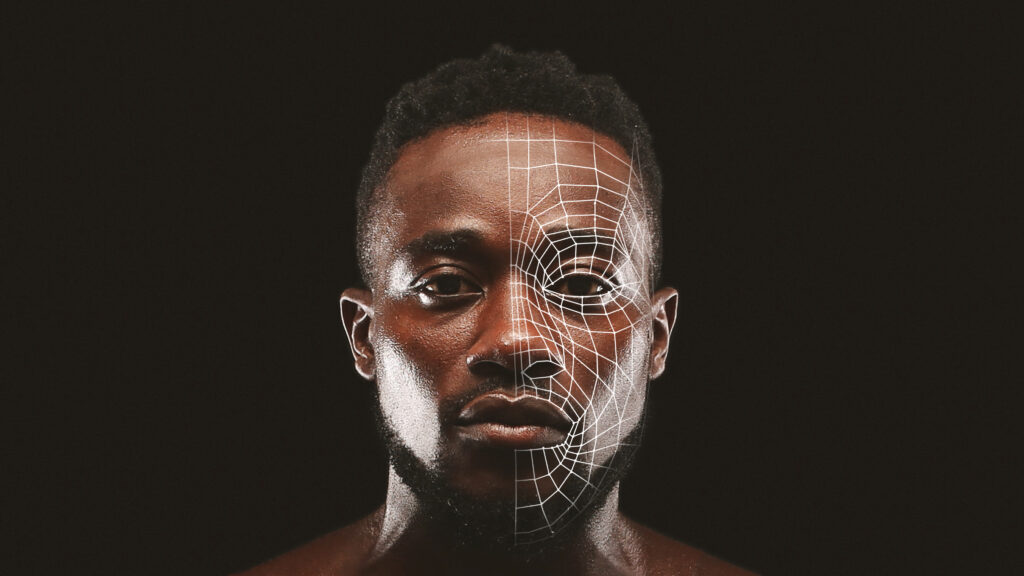
Face recognition is everywhere now, but buyers of attendance systems still ask a fair question: can it be trusted to identify the right person, every time, in a real workplace? The honest answer is that accuracy depends on the algorithm and the conditions — and that modern systems are very good when both are right.
What accuracy actually means
Two error types matter. A false accept is recognising the wrong person as a match; a false reject is failing to recognise the right person. A good system keeps false accepts extremely rare while keeping false rejects low enough that staff are not repeatedly turned away. There is always a balance, and it can be tuned to the setting.
What affects real-world performance
- Algorithm quality: mature, well-trained algorithms outperform generic ones by a wide margin
- Lighting and camera: reasonable, consistent conditions help accuracy
- Enrolment quality: a good reference capture sets the system up to succeed
- Liveness: spoof resistance is part of trustworthy recognition, not a separate concern
The Neurotechnology pedigree
NCheck is built on Neurotechnology’s face-recognition algorithms, which have been independently evaluated in international biometric testing over many years. That track record is why NCheck can promise reliable identification rather than asking customers to take accuracy on faith.
Setting expectations
No biometric is perfect, and a good vendor will tell you so. The right question is not whether errors can ever happen, but whether the system is accurate enough, spoof-resistant enough, and well configured enough for your environment. For everyday workforce attendance, mature face recognition clears that bar comfortably.