
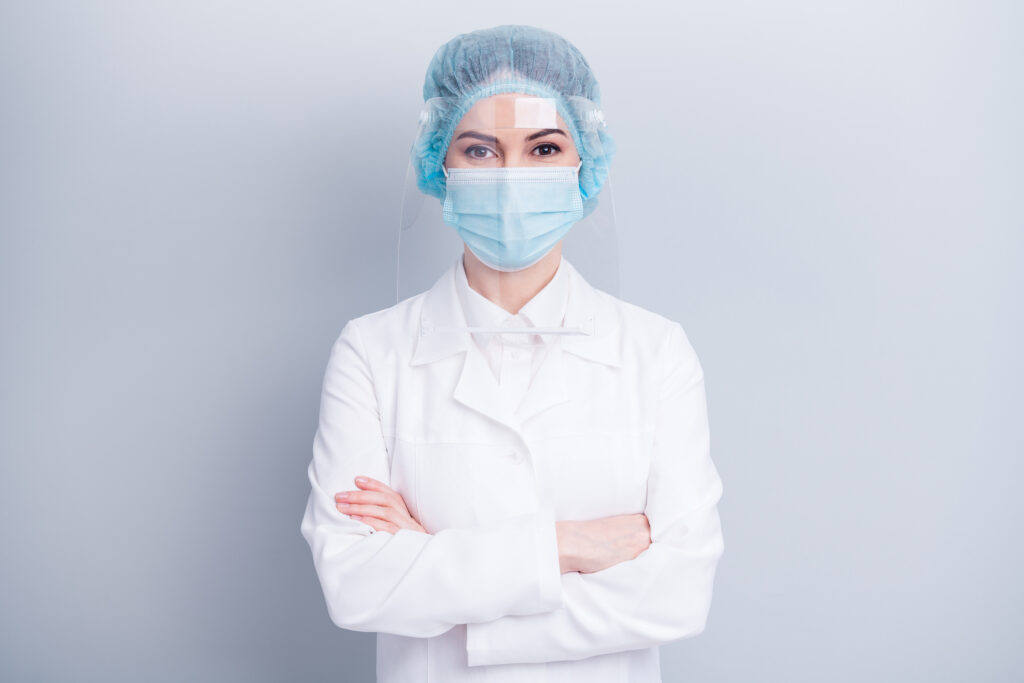
In hospitals, clinics, food processing and clean rooms, covering the face is part of the job. Masks, hairnets and visors are non-negotiable — which makes face-only attendance awkward and forces many of these workplaces back to shared touch surfaces.
The problem with face-only in covered environments
If a worker must wear a surgical mask all shift, asking them to remove it to clock in defeats the hygiene rules and slows everyone down. Yet touch-based fingerprint readers and shared keypads raise their own contamination concerns in exactly these settings.
Contactless fingerprint as the answer
This is where contactless fingerprint comes in. It captures a fingerprint from a short distance using a camera, with no surface to touch and no need to uncover the face. Workers keep their masks on, nothing is shared, and identity is still verified to a high standard.
- Hygienic: no contact surface to spread germs
- Mask-compatible: the face stays covered
- Fast: a quick capture keeps queues short at shift change
One platform, the right modality per situation
NCheck supports face and contactless fingerprint in a single system, so a hospital can use face recognition where faces are visible and contactless fingerprint in masked areas — without running two products. Iris recognition is also available for the most demanding identification needs.
Designed for the real workplace
The lesson for regulated, hygiene-sensitive environments is to choose a system flexible enough to fit the conditions on the ground. The modality should adapt to the work — not the other way round.