
In an increasingly digital world, securing access to physical facilities and sensitive information has become paramount.
Traditional security methods such as passwords, PINs and keys have proved to be too easily compromised and therefore are no longer suitable for the demands placed upon modern security systems.
Biometric security systems that rely upon modals such as face, fingerprint and iris identification have emerged as class leaders in safety and reliability for the reasons detailed below.
What are biometric security systems?
Biometric security systems are a class of advanced authentication systems that use an individual’s unique biometric markers, offering unparalleled accuracy and non-repudiation.
Biometrics refers to the measuring and statistical analysis of unique physical characteristics of a person. These characteristics include the following but are not limited to:
- Fingerprints
- Facial features
- Iris patterns
These traits are unique to the individual and difficult to replicate with a high degree of accuracy, making them ideal for security applications.
Biometric solutions encompass a wide range of different modalities. One similarity between the modalities is that the biometric system will capture and analyze the biometric data, comparing it with pre-registered templates stored securely in a database.
It is this comparison that will determine whether an individual is granted or denied access.
Different biometric modalities used for security
Fingerprint recognition
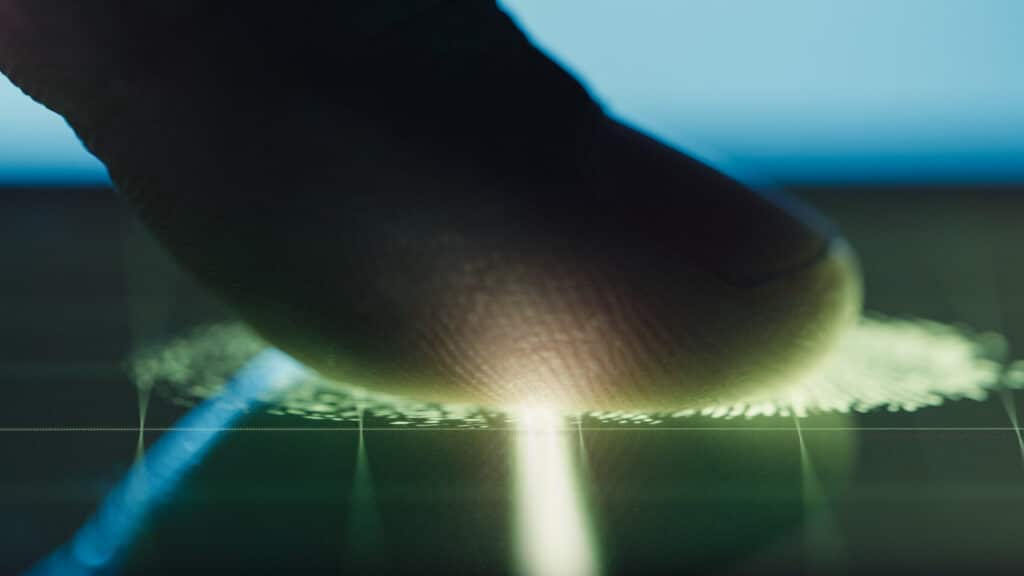
Fingerprint recognition is a highly reliable and trusted biometric modality that identifies an individual based on the unique patterns of the ridges and valleys of their finger, which is unique to the individual.
Facial recognition
Facial recognition is the biometric modality that analyzes and matches distinctive facial features to enable a secure and convenient identification.
Iris recognition
Iris recognition involves the analysis of the intricate patterns of the colored part of the eye, offering an exceptionally secure and precise means of authentication.
Voice Recognition
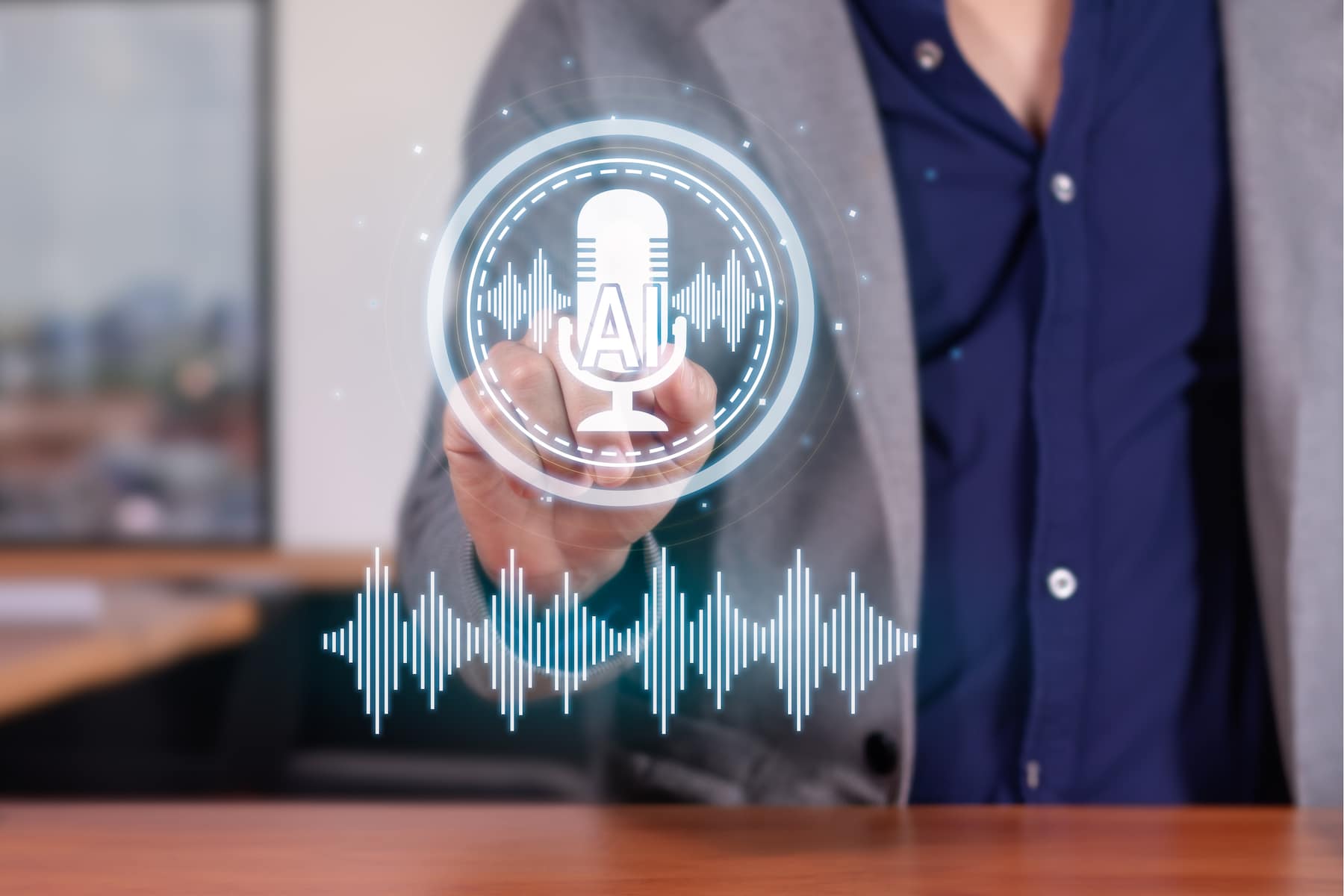
Not as commonly used for security systems compared to fingerprint, face or iris, yet voice recognition remains a valuable tool for security, relying upon verification using the analysis of vocal characteristics such as pitch, tone and speech patterns.
Advantages of biometric security systems
Unique characteristics that are hard to forge
Many security systems rely upon unique characteristics, whether it be a key, password or a personalized fob. However, what sets biometric systems a class apart is how difficult biometric indicators are to forge and replicate.
Attempting to replicate a fingerprint or iris pattern requires a high level of sophistication and is far more difficult than simply copying a password or PIN.
User convenience
It isn’t just organizations that benefit from biometric security systems. By using innate human characteristics such as the fingerprint, face or iris, users do not need to remember difficult passwords or have the stress of keeping keys, cards and fobs safe.
Additionally, authentication is as simple as looking into a camera or touching a fingerprint sensor.
Increased security
Biometric information is not stored in the same way as passwords or PINs, and therefore represents a more secure alternative. Instead of storing the biometric template itself, this system will store the mathematical representation of the template, making it more challenging for would-be hackers to reverse engineer the original biometric data.
Reduced buddy punching
With the more traditional security methods, credentials such as passwords could be easily shared or stolen in what is known in some cases as ‘buddy punching’.
In contrast, the different biometric modalities are unique to the individual, which helps to reduce the risk of unauthorized or spoofed access.
What does the future hold for biometric security systems?
Just as biometric security systems disrupted the traditional methods of passwords and PINs, the technology continues to innovate and develop.
Advancements in machine learning and artificial intelligence are helping to enhance the accuracy and efficiency of biometric recognition, making the solutions even more secure and spoof proof.
As these systems continue to be adopted across further industries, expect to see a focus on delivering a seamless and natural user experience to further the integration of this technology into our everyday lives, whether it be unlocking a smartphone or making a secure financial transaction.
Biometrics are already being integrated into new industries such as visitor management solutions where a seamless user experience is paramount.
Furthermore, the growing focus on privacy and data protection will drive the development of privacy-preserving biometric techniques, ensuring that biometric data remains secure and that individuals maintain control over their personal information.
As the adoption of biometrics continues to expand into industries such as finance, healthcare and transportation, these biometric systems will play a vital role in ensuring robust security and the convenience of frictionless authentication, setting the stage for a safer and more interconnected future.
Introducing the NCheck Biometric Attendance system
The NCheck biometric attendance system provides an accurate and efficient solution for registration, time management and attendance.
With benefits to both the institution and the user, the NCheck solution is already becoming embedded in the organizational operations of businesses, schools and facilities worldwide.
Available for use either by cloud or on-premises and with a free demo available, you can get started with a biometric security system easily using NCheck.
Register for your account here, or check out our quick start guides for both the cloud and on-premises to get going.
In an increasingly digital world, securing access to physical facilities and sensitive information has become paramount.
Traditional security methods such as passwords, PINs and keys have proved to be too easily compromised and therefore are no longer suitable for the demands placed upon modern security systems.
Biometric security systems that rely upon modals such as face, fingerprint and iris identification have emerged as class leaders in safety and reliability for the reasons detailed below.